


NEWS
Building a more inclusive clinical research ecosystem: from visibility to action
Published Date – 2 November 2026
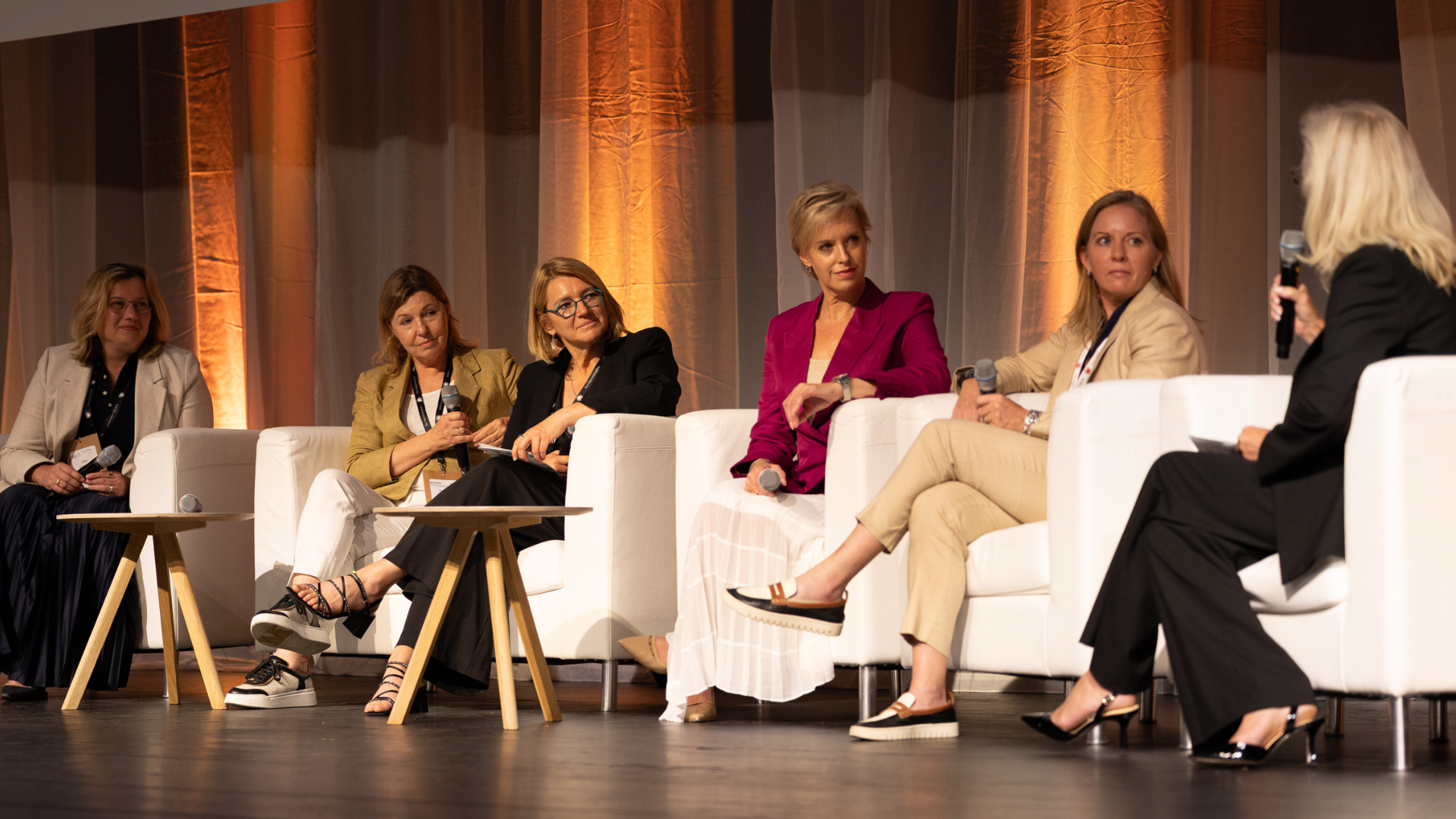
Clinical research can transform patient care, but only when trial participants reflect the diversity of the patient population.
At RISE @ ESC Congress 2026, a roundtable discussion brought together industry leaders to discuss how to support a more equitable clinical research environment. The conversation highlighted a clear need for action at every stage: supporting women investigators, designing trials that answer questions relevant to women, expanding research into community settings and bringing industry, professional societies and patients together.
Start small, but start deliberately
For early or mid-career women who want to become clinical investigators, the panel offered practical advice: build knowledge, be proactive, and make your ambitions visible.
“In the beginning, it’s okay to dabble in everything, but very quickly you need to define where you want to end up. If you want to end up in structural heart or coronary or amyloid, or whatever that niche is.” – Kendra Grubb, MD, MHA, MSc (Medtronic)
Understanding global clinical trial standards and good clinical practice is an important foundation, but aspiring investigators should not wait until they feel completely prepared. Starting with less complex opportunities can build valuable experience before moving into larger, more complex trials. Investigator-initiated and collaborative research can offer another pathway.
In the beginning, it’s okay to dabble in everything, but very quickly you need to define where you want to end up.
Kendra Grubb, MD, MHA, MSc (Medtronic)
“Build your foundation. Start by investing in your knowledge about global clinical trials, global GCP [Good Clinical Practice] rules about clinical trials, and how clinical trials are conducted. This is a highly regulated environment, so this knowledge might be very helpful.” – Beata Maj, MD, MBA (Alnylam Pharmaceuticals)
Networking is equally important. Panelists encouraged women to identify the area in which they want to build expertise and then deliberately develop a reputation around that focus. Local industry representatives, medical and clinical development teams, professional societies and mentors can all become important connections.
“Come to us, tell us what your wishes are and what you are thinking. Show that you want to grow; show how smart you are. The better we know you, the better we can bring you in and can give you opportunities.” – Sunnhild Salmen, PhD (Daiichi Sankyo Europe)
The message was simple: if people do not know who you are or what you’re interested in, they cannot create opportunities for you.
Research belongs in every community
Clinical research should not be confined to major academic medical centers. Community hospitals, private practices, and regional health systems can provide access to populations that may otherwise be underrepresented in research. For industry, partnerships with community settings can be essential to achieving more representative enrollment.
“We’re being asked to execute trials that represent the entire geography of a particular disease state. It becomes really challenging to get adequate representation of certain groups, and oftentimes it’s the community settings, the non-research centers, that have the relationships.” – Jeanine Cordova, PhD (Amgen)
The conversation continued with the panel advising physicians not to let their location or institution size keep them from pursuing research opportunities with industry.
“When you look for partnerships with industry, wherever you are, as long as you are producing excellent research, it’s about the merit, it’s about integrity, it’s about partnering and delivering. It doesn’t matter where you’re located.” – Julia Dmietriva, RDMS, RDCS, RVT, FSVU (Siemens Healthineers)
When you look for partnerships with industry, wherever you are, as long as you are producing excellent research, it’s about the merit, it’s about integrity, it’s about partnering and delivering.
Julia Dmietriva, RDMS, RDCS, RVT, FSVU (Siemens Healthineers)
Designing trials around women, not simply including them
Women’s representation in clinical trials is improving, but the goal must go beyond meeting an enrollment percentage. Trials need to be designed to answer questions that matter to women.
The panel highlighted that women have historically been substantially underrepresented in trials, reflecting broader patterns of underdiagnosis. However, in the ongoing phase three clinical trial TRITON-CM, the team lowered the left ventricular wall thickness threshold by 1 mm to identify and enroll more women and generate evidence that better reflects their disease.
Women also need greater representation among clinical research leaders. The panel noted that women investigators can contribute to more diverse recruitment and may bring different questions and perspectives to trial design.
“We really need to be more careful about involving women as principal investigators, because they really make sure that we have the diversity also on the patient side.” – Sunnhild Salmen, PhD (Daiichi Sankyo Europe)
Making visibility a two-way street
Industry leaders acknowledged that emerging investigators are often identified through familiar measures such as publications and expertise, but networks, mentors and personal visibility also influence access to opportunities.
“Start to think of your career as a business. Really plan it. Don’t wait until you are 100% prepared because then you will just wait. Start small, but make it visible, not only with your colleagues and your community, start engaging with us as an industry.” – Sunnhild Salmen, PhD (Daiichi Sankyo Europe)
Women As One’s community, The Pulse, was highlighted to make expertise more visible. With more than 3,400 women registered and over 1,000 connections made between registrants and industry partners, the platform demonstrates how structured networks can help connect women with research and leadership opportunities.
“It’s important to complete your profile [in The Pulse]. Partners come to us and ask for thought leaders and clinical trial leaders, and it’s important to have that data on things that you’re interested in. And if there are women in your institutions or colleagues that you have, please tell them about The Pulse because it is a great way for us to be able to connect you.” – Malissa J. Wood, MD
Start to think of your career as a business. Really plan it. Don’t wait until you are 100% prepared because then you will just wait.
Sunnhild Salmen, PhD (Daiichi Sankyo Europe)
Looking to the future
Panelists emphasized the need for education, healthcare access, and relationship-building before trial recruitment starts. Trial protocols must also account for the realities of patients’ lives, including childcare, transportation, work, and caregiving responsibilities.
Patients, community representatives, investigators, professional societies and industry all bring essential perspectives which contribute to holistic solutions.
The roundtable concluded with a call to build connections deliberately: bring stakeholders to the same table, share what works, learn from one another, and create a community committed to changing the research ecosystem.
A more inclusive future for clinical research will not happen through one initiative or one organization. It will happen when women are visible, communities are engaged, patients have a voice, and industry and the research community work together to turn opportunity into action.
Make yourself visible to the right opportunities
Complete your profile in The Pulse so we can connect your expertise with industry opportunities.
Latest News
Building a more inclusive clinical research ecosystem: from visibility to action
RISEIndustry leaders discuss how clinical research can transform patient care during a panel discussion at RISE @ ESC Congress 2026.

Women As One and Radcliffe Cardiology continue partnership to advance clinical education
News CLIMB Our PartnersOur continued partnership is expanding access to high-quality clinical education for women physicians worldwide.
From guidelines to impact: making quality improvement a reality in cardiovascular care
RISEAt RISE @ ESC Congress 2026 encouraged us to assess and take action to ensure that all patients receive the best cardiovascular care.