


NEWS
Design your future career: turning goals into strategic action
Published Date – 9 November 2026
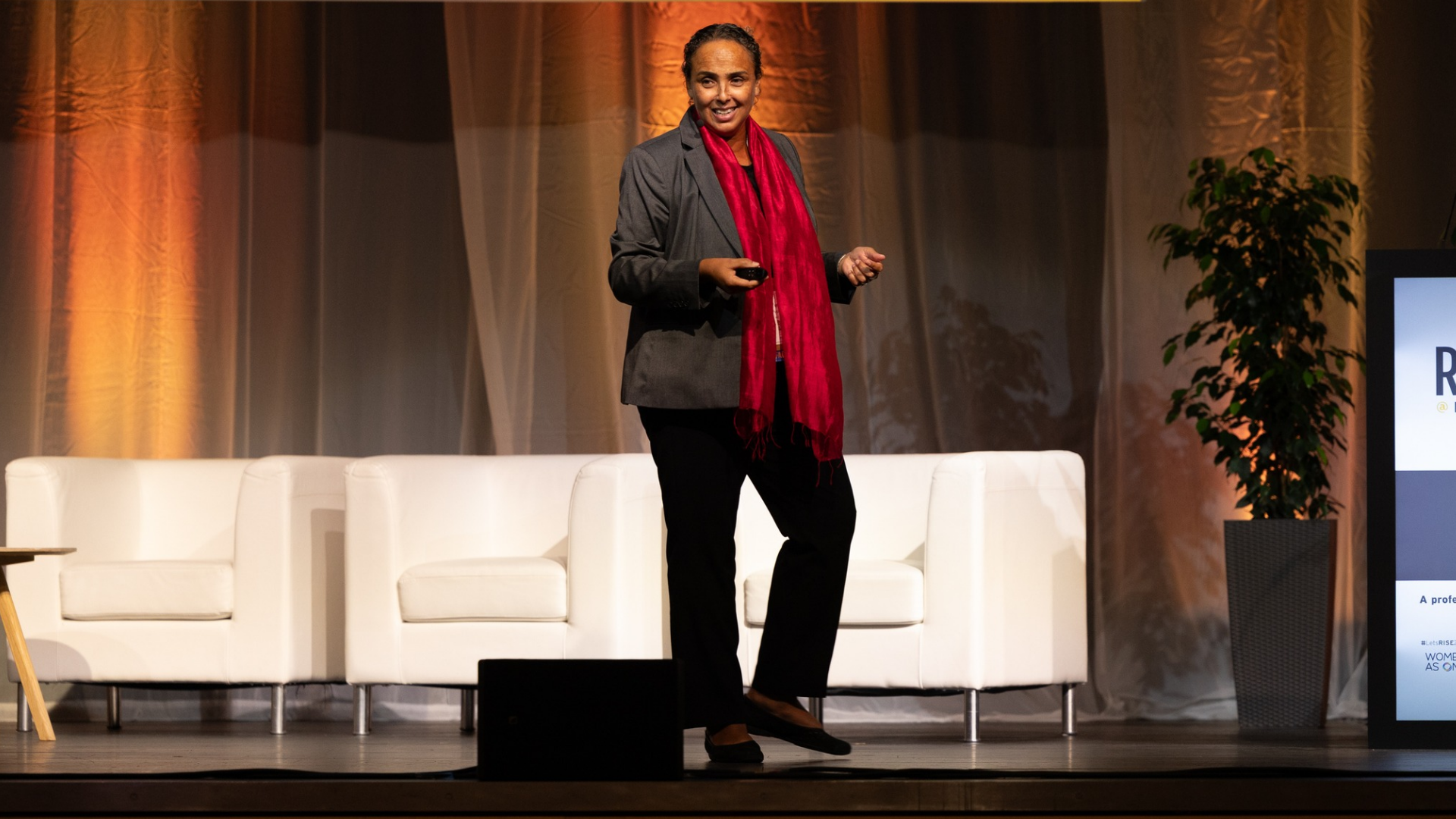
At RISE @ ESC Congress 2026, women in medicine came together to shape their careers, strengthen their leadership, and create new opportunities. Leadership facilitator and executive coach Miriam Fugfugosh, who works with the Center for Creative Leadership®, challenged attendees to think bigger about their ambitions and more intentionally about the networks that can help to achieve them.
Miriam’s central message was simple: we cannot plan our careers effectively until we see ourselves as leaders.
“One of the things that we know about women’s leadership, and one of the barriers that happens for us, is the fact that subconsciously we don’t always think of ourselves as leaders.”, Miriam says.
Imposter syndrome, a lack of visible role models, and social expectations that encourage women to be humble rather than “boastful” can all influence how we see our own leadership potential. But leadership is not a fixed identity. It evolves. As Miriam says, “Leadership really is a mindset.”
Dream big. Dream boastfully.
Effective career planning starts with a clear vision. In the session, participants identified a professional goal, set a timeframe, and defined what success would look like. But Miriam urged participants not to undersell themselves.
“I want you to dream big. I want you to dream boastfully. Because if you’re not thinking about your goal in terms of something that’s impactful, then you’re not going to step back and think about the first step towards it,” Miriam encouraged.
A meaningful goal should be ambitious enough to create an impact. Once the destination is clear, it becomes easier to work backward and identify the first steps, resources, and people needed to get there.
“You need to think strategically and think about what you want. I’m talking about being strategic with your networking. It is not done in a vacuum. You need to have a goal that you’re working towards.”
If you’re not thinking about your goal in terms of something that’s impactful, then you’re not going to step back and think about the first step towards it.
Miriam Fugfugosh, Executive Coach
Your network should reflect your future, not just your past
Networking is often associated with crowded receptions and uncomfortable small talk. But strategic networking is much more than attending events and collecting contacts. It is relationship building with purpose.
One of the session’s most important insights was that our existing networks often reflect where we have been, not where we want to go.
Participants mapped 10–15 people important to their professional futures, including those who provide information, resources, problem-solving support, learning opportunities, and encouragement. They then assessed those relationships against their goals.
Does your network include people who can help you reach your next career milestone? Who can introduce you to new opportunities? Who has a positive impact on your wellbeing? Who do you influence – and, importantly, who are you open to being influenced by?
The exercise also highlighted the value of network diversity. Strong networks cross boundaries: organizational hierarchies, disciplines, generations, geographies, and stakeholder groups. Open networks create access to new ideas, opportunities, and connections.
“The healthier, the more diverse, the deeper your network is, you will hear more information earlier,” Miriam says. “Because you’re spending time talking to different people, not just the people who are closest to you.”
Don’t view networking as asking, “What can this person do for me?” Instead, focus on building relationships where information, introductions, resources, encouragement, and opportunities flow in both directions.
The healthier, the more diverse, the deeper your network is, you will hear more information earlier.
Miriam Fugfugosh, Executive Coach
The session also highlighted that support can take different forms, including mentorship and sponsorship, and noted that women are often over-mentored and under-sponsored. A mentor provides guidance and perspective; a sponsor actively advocates for someone and puts their name forward when opportunities arise.
Participants were encouraged not only to seek sponsorship, but to become sponsors themselves, helping create a stronger pipeline of women leaders and ensuring that the next generation has advocates in the room.
Prepare to use your voice
Building the right relationships can open doors, but moving into leadership also requires clearly communicating ideas, influencing others, and shaping decisions.
Miriam explained that leadership development involves two complementary approaches: horizontal development, which focuses on building practical skills such as public speaking and grant writing, and vertical development, which expands how you think and approach challenges.
Both are important, but how you communicate can have a particularly powerful impact. As Miriam explained, “There’s a helpful development skill you can improve simply by preparing what you want to say with the right words in the right amount of time. But it has a huge impact on how people experience your leadership.”
Finally, Miriam reminded participants to approach networking with self-awareness.
Not everyone gains energy from social interaction. Knowing what energizes or drains you can help you prepare more effectively. Before a networking event, identify who you want to meet, what you want to communicate, and a few questions that can open meaningful conversations.
Technology can help, too. You can use AI safely to role-play conversations, refine a concise career goal, or generate thoughtful conversation prompts without sharing personal or confidential information.
There’s a helpful development skill you can improve simply by preparing what you want to say with the right words in the right amount of time.
Miriam Fugfugosh, Executive Coach
Ultimately, developing your career is an ongoing process of setting ambitious goals, building relationships that expand your opportunities, and strengthening the skills to make the most of them. As Miriam’s session demonstrated, strategic action begins with a clear sense of where you want to go, but progress depends on how intentionally you prepare, connect, and use your voice.
Build your network. Shape your future.
Register for The Pulse to connect with a global community of women in medicine and discover opportunities to support your career goals.
Latest News
Design your future career: turning goals into strategic action
RISEAt RISE @ ESC Congress 2026 attendees learned how to set bold goals for their careers and how to take strategic action to achieve them.
Building a more inclusive clinical research ecosystem: from visibility to action
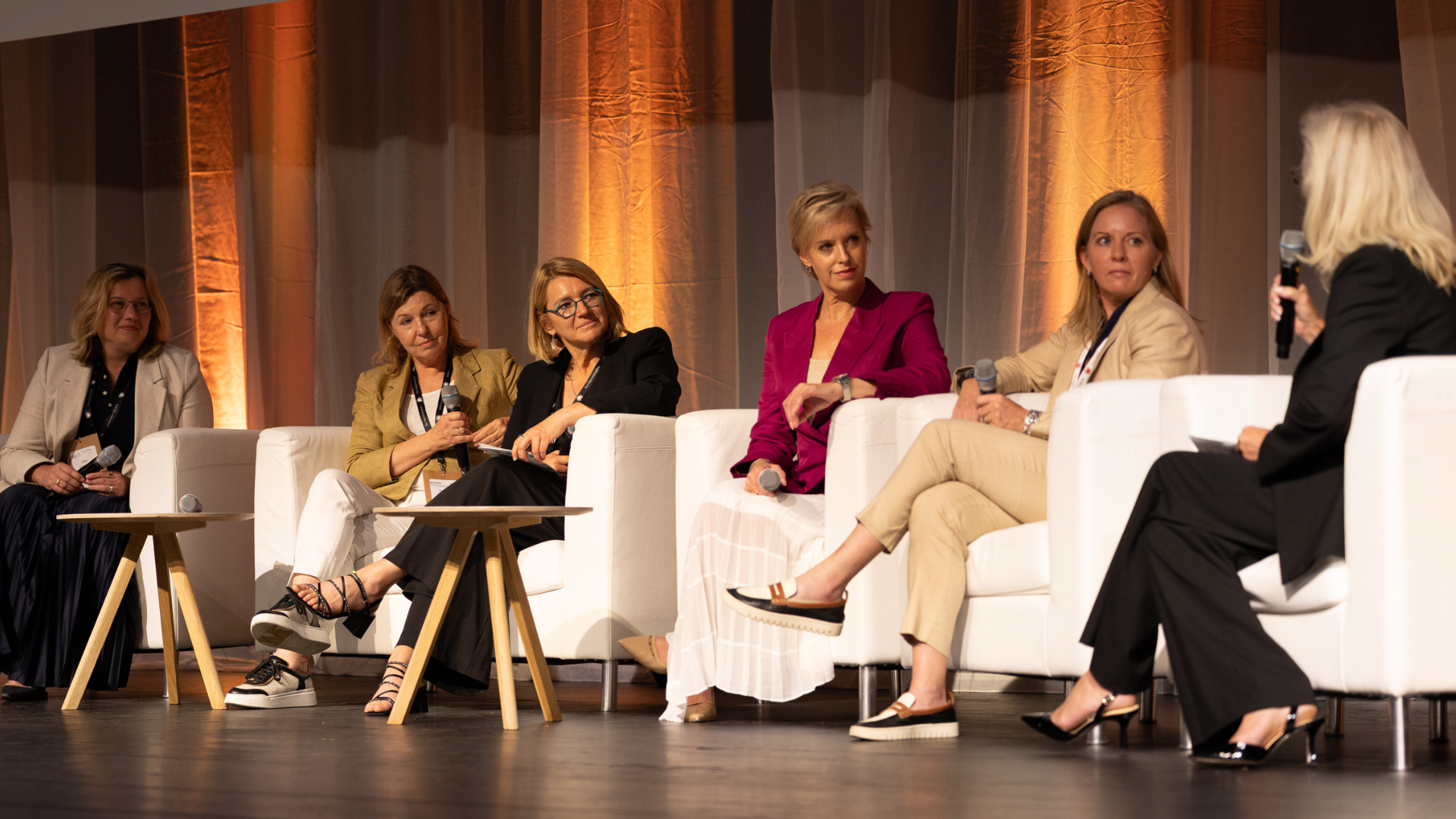
RISEIndustry leaders discuss how clinical research can transform patient care during a panel discussion at RISE @ ESC Congress 2026.

Women As One and Radcliffe Cardiology continue partnership to advance clinical education
News CLIMB Our PartnersOur continued partnership is expanding access to high-quality clinical education for women physicians worldwide.