


WEBCAST
Guidelines in Action – how guideline implementation impacts the management of dyslipidemia in women
Published Date – 6 August 2026

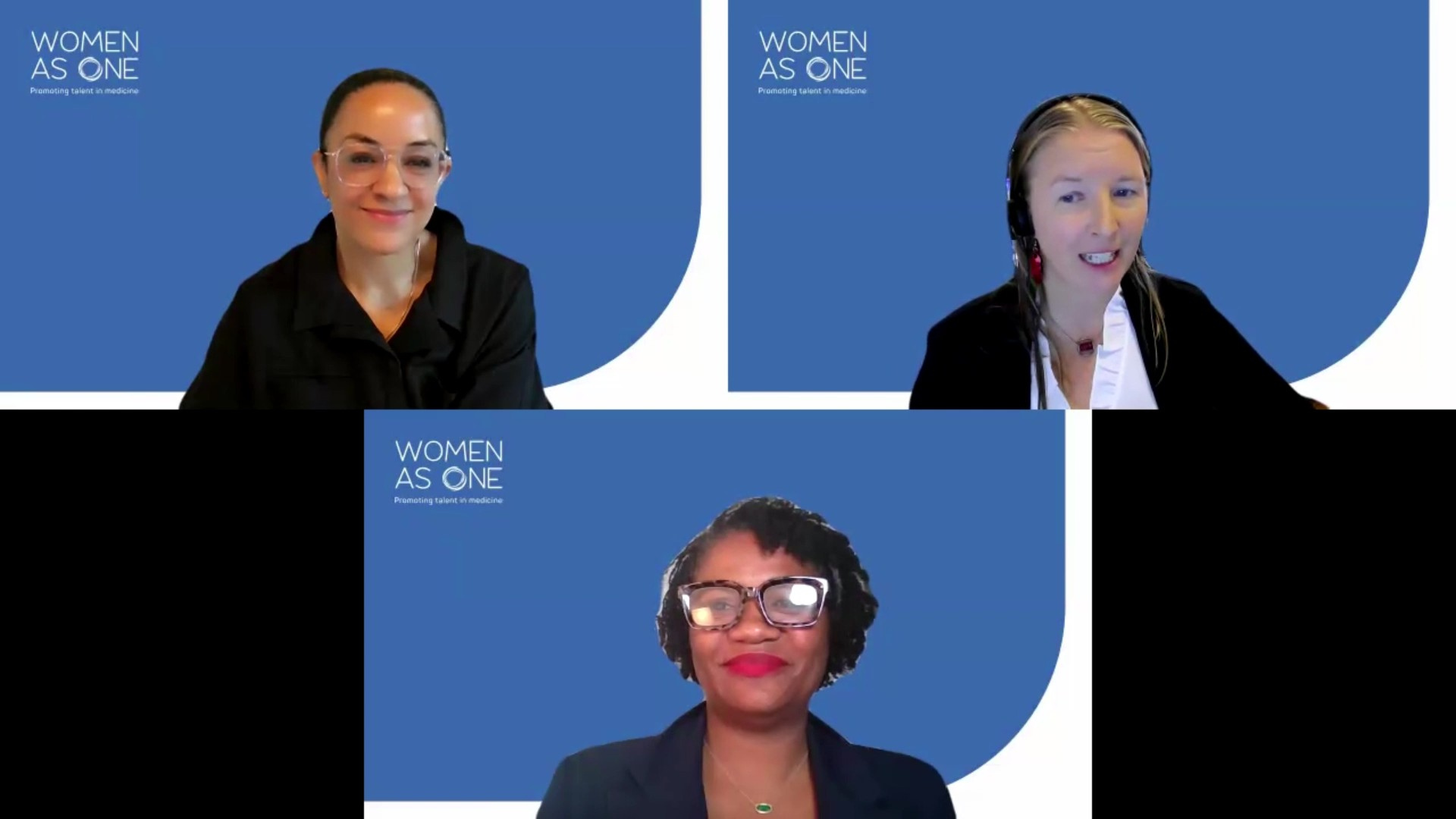
This webcast brings together leading experts in preventive cardiology, guideline development, clinical trials, and implementation science to explore how lipid guidelines can be translated into better care and dyslipidemia management for women. Moderated by Malissa J. Wood, MD, (Chief Medical Officer, Women As One), the discussion features:
- Catherine Benziger, MD – Clinical trialist and director of heart and vascular research, Ascension Health
- Heather Johnson, MD – Guideline author and director of preventive cardiology for women’s services, Baptist Health South Florida
- Françoise Marvel, MD – Implementation scientist and cardiologist, Johns Hopkins
Together, they discuss the 2026 AHA/ACC multisociety dyslipidemia guidelines, sex-specific cardiovascular risk in women, and practical strategies to move from “beautiful guidelines” to everyday, real-world implementation, across the life course and across health systems.
This webcast is supported by Amgen.
Key outcomes and recommendations
Bridge the gap from guidelines to practice
- Use implementation science to turn dyslipidemia guidelines into everyday care, instead of waiting 7–10 years for passive adoption.
- Build clear care pathways and protocols so guideline-based lipid management is routine, not optional.
Educate clinicians and empower patients
- Provide targeted education on the 2026 AHA/ACC dyslipidemia guidelines, including updated LDL-C thresholds and when to add non statin therapy.
- Use digital tools and apps to help patients understand their LDL goals, track results, and stay engaged.
- Recheck LDL-C about 6–8 weeks after therapy changes, then about every 6–12 months for maintenance.
Recognize women-specific cardiovascular risk
- Avoid underestimating women’s risk by incorporating reproductive and inflammatory risk enhancers (e.g., adverse pregnancy outcomes, hypertensive disorders of pregnancy, early menopause, lupus, rheumatoid arthritis) into routine assessment.
- Systematically capture reproductive/obstetric history and use it to guide lipid therapy decisions across a woman’s life course, not just in midlife.
Adopt updated lipid targets and tests
- Use the Prevent ASCVD risk score as a starting point, then personalize based on additional risk enhancers.
- Check lipoprotein(a) [Lp(a)] once in all adults, ideally in early adulthood, and consider ApoB where more precise risk stratification or aggressive LDL lowering is needed.
- For high and very high-risk patients, aim for LDL-C <55 mg/dL and add non statin therapy earlier instead of accepting “near goal” values.
Apply a life-course, system-wide approach
- Implement universal lipid screening for children aged 9–11, and repeat lipids plus Lp(a) in early adulthood.
- Increase screening frequency in people with overweight/obesity, hypertension, prediabetes, or CKM risk.
- Update EMR templates, order sets, and standing orders to reflect current guidelines, and embed risk-enhancer questions into new patient forms so key factors for women are not missed.
- Support patient advocacy, encouraging women to ask about lipid testing, Lp(a), and guideline-based prevention, especially in underserved and rural settings.
More resources
Guidelines in Action – how guideline implementation impacts the management of dyslipidemia in women
ResourcesA webcast focusing on the nuances of updating clinical practice workflows in response to new guidelines in dyslipidemia management.

Women leading change: CVCT Research Scholars on innovation, equity, and leadership
ResourcesWatch Women As One’s webcast with the 2025 CVCT Research Scholars on women leading cardiovascular clinical trials through innovation, mentorship, and inclusion.
Women Leading the Conversation on Reducing CV Risk
ResourcesA webcast focusing on LDL-C and reducing CV risk from a clinical standpoint whilst discussing the documentary, The Making of a Heart Attack
Why join our Community
The Pulse is a global professional community explicitly tailored for women cardiologists across diverse medical specialties.
Join us to embark on a journey of professional growth, collaboration, and empowerment. Together, let’s redefine the future of medicine.
Benefits and opportunities
- Access tailored professional programs
- Unlock professional opportunities for thought leadership
- Lead in clinical trials and committees
- Gain access to a global network of women cardiologists
- Work with industry to develop your career and create better patient outcomes