


NEWS
RISE @ ESC Congress 2026: Building a future where every woman in cardiology can lead
Published Date – 25 September 2026
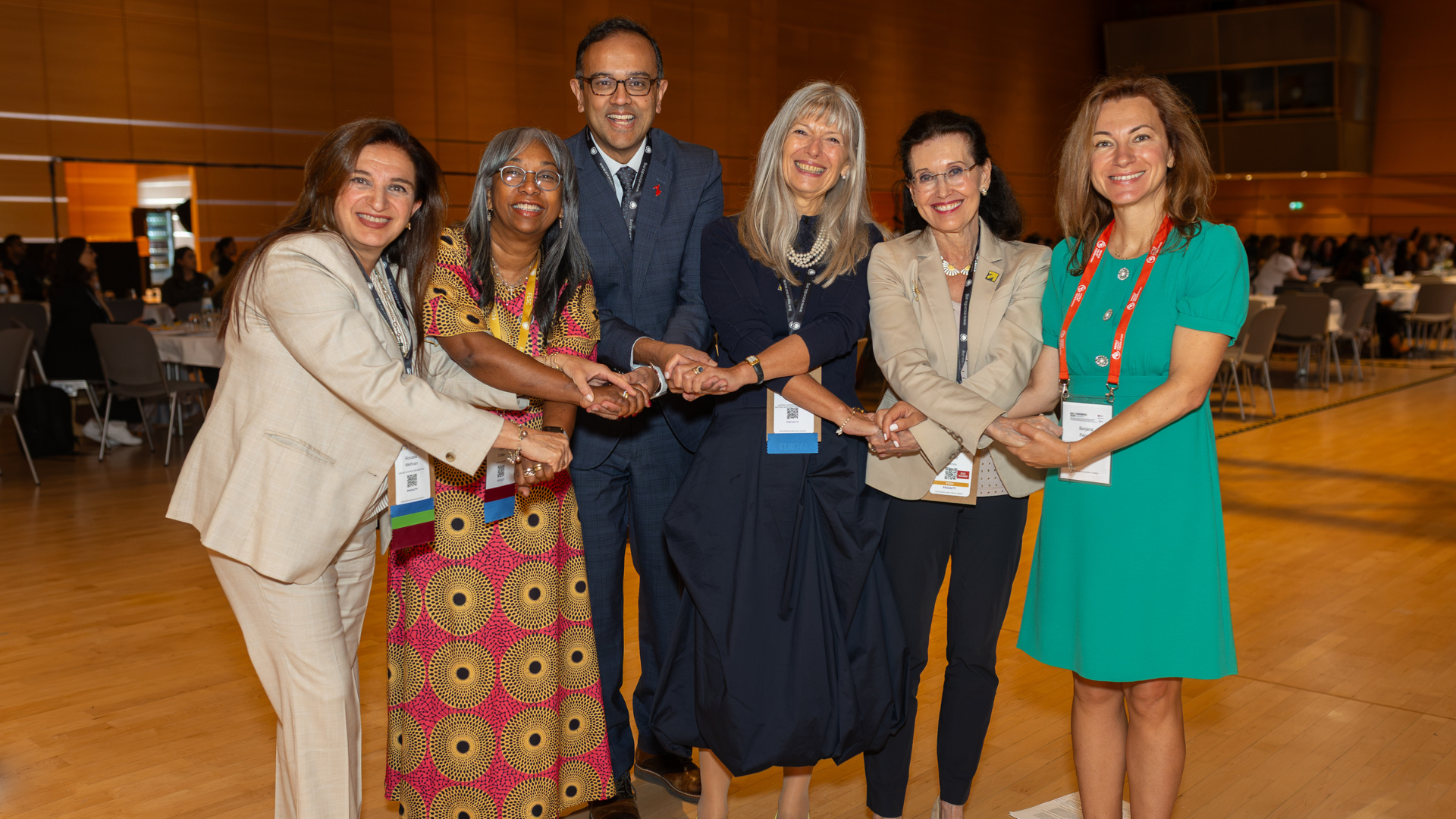
Growing and thriving as a woman leader in cardiology was the central theme at RISE @ ESC Congress 2026 in Munich, Germany. Master of Ceremonies, Dr. Julia Lueg, cardiologist at the Deutsches Herzzentrum der Charité, Berlin, welcomed hundreds of women in cardiology and their allies from around the world to connect, learn and build a community for the future. RISE @ ESC Congress 2026 program directors Dr. Pamela Douglas, Dr. Maria Rubini, Dr. Zainab Samad and Dr. Malissa Wood led a program designed to inspire reflection, foster connection and equip attendees with practical tools to grow as leaders.
Here’s what we learned.
We rise by lifting others – we cannot rise alone
Women As One co-founder Dr. Roxana Mehran opened the day by reflecting on the importance of creating opportunities for women in medicine, a principle central to the organization’s mission since it was founded seven years ago.
“When you walk into this room, you realize you matter,” Dr. Roxana Mehran said. “When we founded Women As One, we started with the very simple belief: talent is everywhere, but opportunity is not, especially for women. Too often, they have not had equal access to the stages, networks, mentorship, sponsorship, and opportunities that allow talent to be seen, for their voices to be heard, and leadership to flourish. RISE is not simply about bringing women together. It is about creating a community in which we see one another, support one another, sponsor one another, and challenge one another to reach higher, to rise together.”
Jean-François Riffaud, CEO of the European Society of Cardiology, welcomed attendees to RISE @ ESC Congress on behalf of ESC. Reflecting on his own associations of powerful women leaders, he explored how archetypes, stereotypes and social expectations influence our perceptions, often without us realizing. When conventional images of leadership remain predominantly male, women leaders can be falsely perceived as “atypical”.
“We have to continue tackling those representations that we are all carrying. Even though we would like to change things, we first have to start by changing ourselves,” Jean-François Riffaud stated.
RISE is not simply about bringing women together. It is about creating a community in which we see one another, support one another, sponsor one another, and challenge one another to reach higher, to rise together.
Dr. Roxana Mehran, Co-Founder, Women As One
The morning sessions then moved from perceptions of leadership to practical action. Presidents of leading professional societies from around the world shared how their organizations must work together to reduce the global burden of cardiovascular disease. In an interactive workshop led by Dr. Silvia Castelletti, attendees also learned how to design and refine quality‑improvement projects before brainstorming interventions they could adapt to their own institutions.
Speaking up, finding allies and staying the course
The conference was energized by a keynote from Professor Lotte Bjerre Knudsen, whose 35-year career at Novo Nordisk included pivotal contributions to developing GLP-1 receptor agonists.
Her story offered a powerful example of scientific innovation, perseverance and leadership in a traditionally male-dominated environment. She shared how she combined scientific rigor, relentless persistence, and strategic use of male allies to advance GLP‑1 therapies, showing how women can and do lead major therapeutic breakthroughs despite systemic barriers.
“If you have something that you want to achieve and you think you can do it, be bold, and also know that you can be you, because people need to learn to listen to what you’re saying and not what you look like,” she said.
In a candid Q&A with Dr. Roxana Mehran and Professor Barbara Casadei, she explored how to navigate hostile or unsupportive environments, the emotional toll of constant undermining, and the importance of allies in changing the culture for the next generation.
Her experience reinforced a broader RISE message: leadership is not simply about reaching a position. It is about using your voice and influence to challenge entrenched norms, lift others up, and create space for those who come after you.
If you have something that you want to achieve and you think you can do it, be bold, and also know that you can be you, because people need to learn to listen to what you’re saying and not what you look like.
Professor Lotte Bjerre Knudsen, Former Chief Scientific Advisor, Novo Nordisk
Lunch symposia: insights and inspiration
The lunch symposia brought the day’s focus on leadership into the wider context of cardiovascular care, examining the barriers women face as both patients and professionals and exploring practical approaches to change.
Redefining success in cardiology sponsored by Daiichi-Sankyo Europe
Dr. Shrilla Banerjee was joined by Professor Barbara Casadei, Manjusha Chatterjee, Dr. Catharina Hamm, and Dr. Carolin Lerchenmüller to chart the evolution from trailblazing “first women” in cardiology to a future where equity is built into the system. The panel explored delayed diagnosis in women, mislabeling of women patients as anxious, and underrepresentation of women in clinical trials. Throughout, they argued that better prevention, smarter risk communication, and truly listening to women, both as patients and as professionals, are essential to redefining success in cardiovascular care.
“We’re aiming and hoping for equity, where systems will allow all of us to be excellent, and nobody has to be exceptional to be successful as a female cardiologist.” Dr. Shrilla Banerjee summarised.
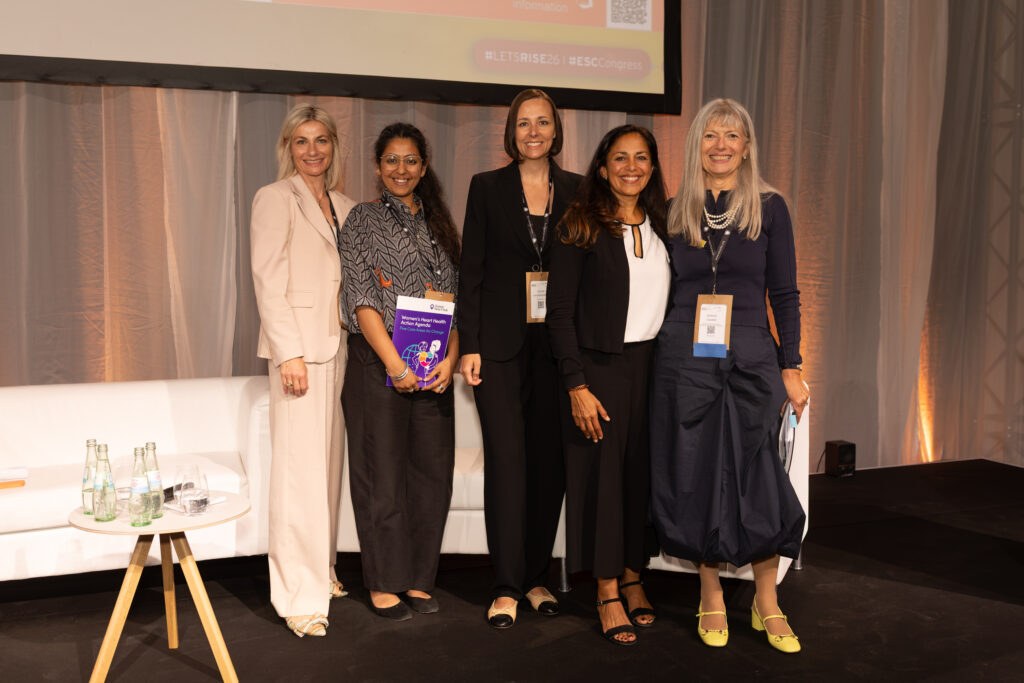
Empowering women leaders & changemakers in cardiovascular care sponsored by Medtronic
Dr. Kendra Grubb, Professor Vijay Kunadian, and Professor Alta Schutte used global data and personal stories to show how women continue to face a double disadvantage in cardiovascular care and career progression. They illustrated how postcode and gender drive gaps in diagnosis, treatment, and trial representation, and spotlighted hypertension as a critical, fixable driver of poor outcomes. The panel also moved beyond describing the problem to concrete solutions: national hypertension initiatives, community-based screening, new technologies like renal denervation, and deliberate leadership practices such as diverse hiring slates, structured mentorship, and “sending the elevator down” to the next generation of women leaders.
“If we are not dealing with the basics, then we’re not going to address the big problem, [the] global burden of cardiovascular disease” – Professor Vijay Kunadian
Looking to the future
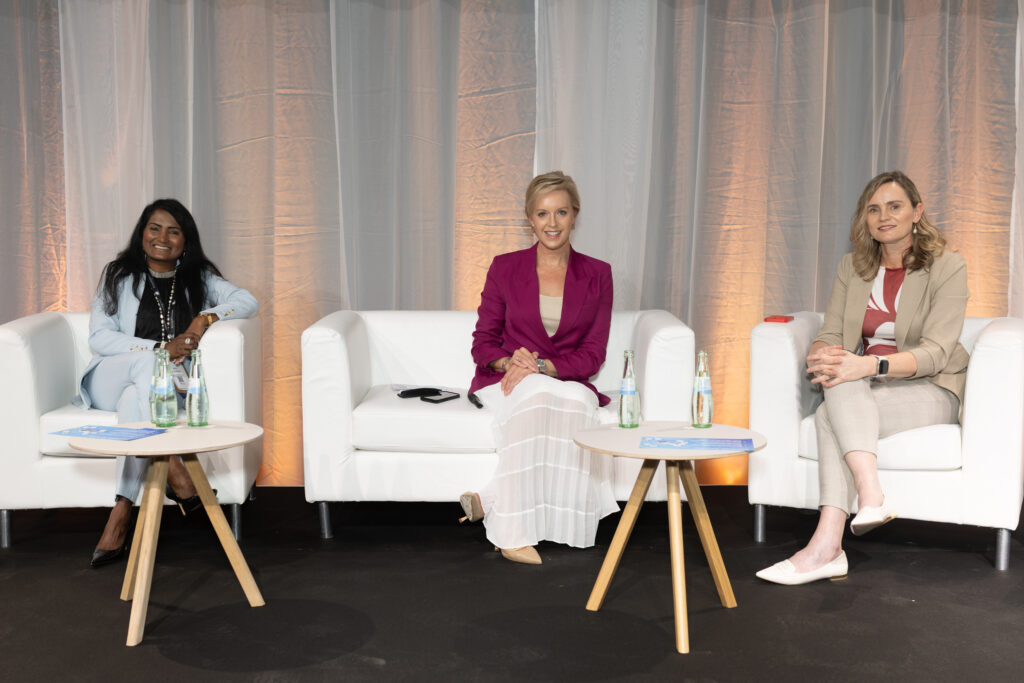
A panel of editors from leading cardiovascular and medical journals explored the opportunities and challenges presented by AI, emphasizing the importance of using the technology responsibly without losing the human intelligence and voice at the heart of scientific publication.
An industry roundtable brought together pharma and medtech experts to examine how trial design, diagnostics and investigator pipelines must evolve to create a more inclusive research ecosystem for women and diverse patient populations.
The day’s final session, facilitated by Miriam Fugfugosh, brought the focus back to individual action. Attendees were encouraged to “dream big… and boastfully” when setting professional goals and to build networks that can help turn those ambitions into reality.
The afternoon turned to how cardiovascular medicine must evolve, from the responsible use of AI in scientific publishing to building a more inclusive research ecosystem.
RISE Program Director Dr. Pamela Douglas offered attendees new resources, such as the CV Analyzer within The Pulse, and a reminder: “You can all become leaders in your own practices, in your home institutions by being innovative, persistent, and being a finisher,” said Dr. Pamela Douglas.
You can all become leaders in your own practices, in your home institutions by being innovative, persistent, and being a finisher.
Dr. Pamela Douglas, RISE @ ESC Congress 2026 Program Director
Dr. Roxana Mehran closed the day by thanking event sponsors for their ongoing support and by leaving the audience with a challenge: “How will you improve yourself, your opportunities, and seize the moment? As you leave this room, make sure that you take whatever energy you found here today and spread it everywhere.”
RISE @ ESC Congress offered inspiration: to speak up, build meaningful networks, pursue ambitious goals, and use our influence to create change. The day showed that growing as a leader is not a solitary journey. It happens through the people we learn from, the opportunities we create, and the changes we choose to make in our workplaces and in cardiovascular medicine.
Keep the RISE conversation going on The Pulse
Connect with women in medicine, discover opportunities and access resources designed to support your career.
Latest News
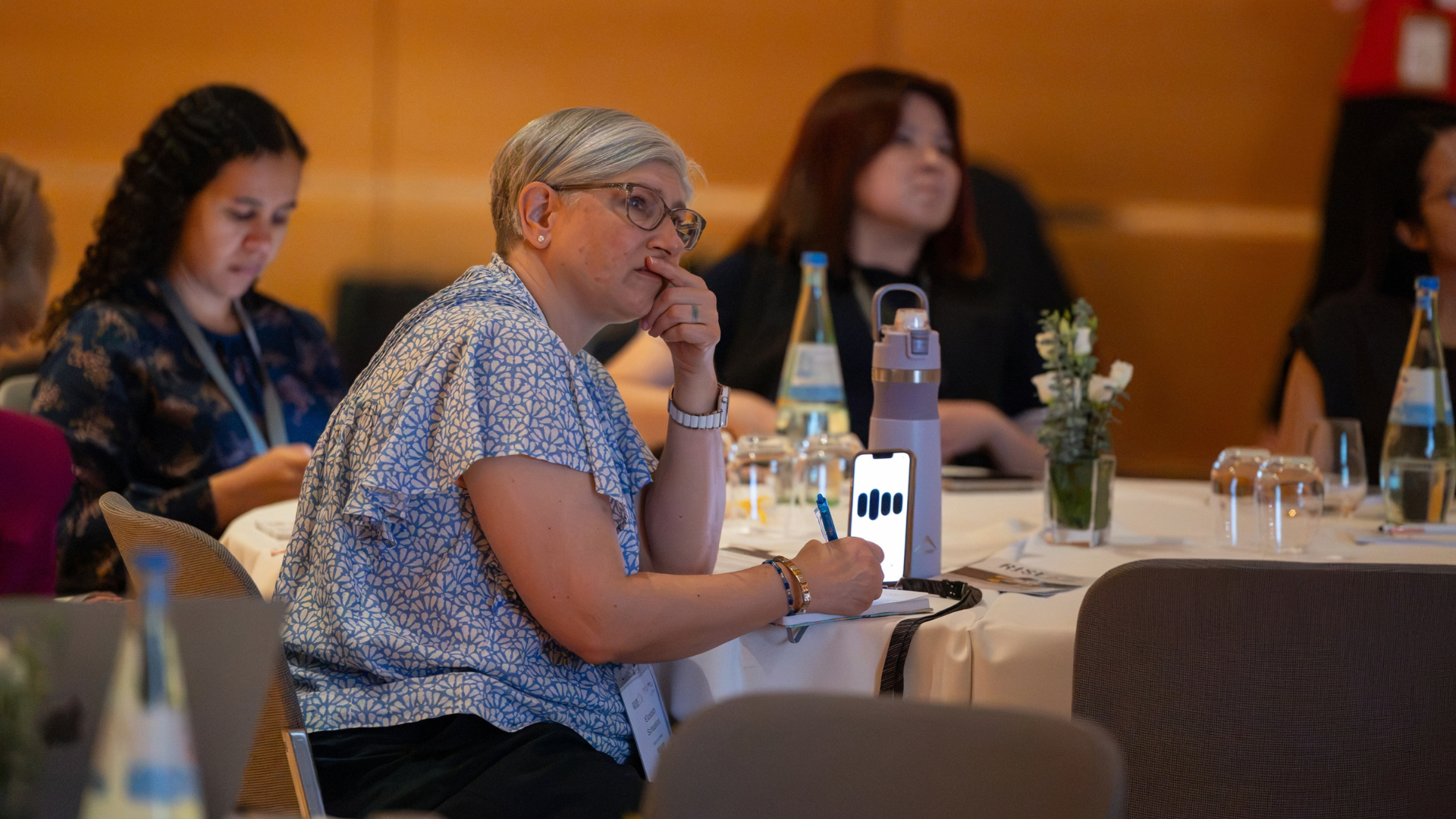
From guidelines to impact: making quality improvement a reality in cardiovascular care
RISEAt RISE @ ESC Congress 2026 encouraged us to assess and take action to ensure that all patients receive the best cardiovascular care.
From conversation to action: international cardiovascular leaders call for collective change
News RISEAt RISE @ ESC Congress 2026, cardiovascular leaders discussed how collaboration, accountability & action are essential to make progress.

RISE @ ESC Congress 2026: Building a future where every woman in cardiology can lead
News RISERISE @ ESC Congress 2026 explored women leading in cardiology, career development, equity, mentorship & the future of cardiovascular care.