


OUR COMMUNITY
Women Who Lead: An Interview with Malissa J. Wood, MD
Published Date – 10 February 2026
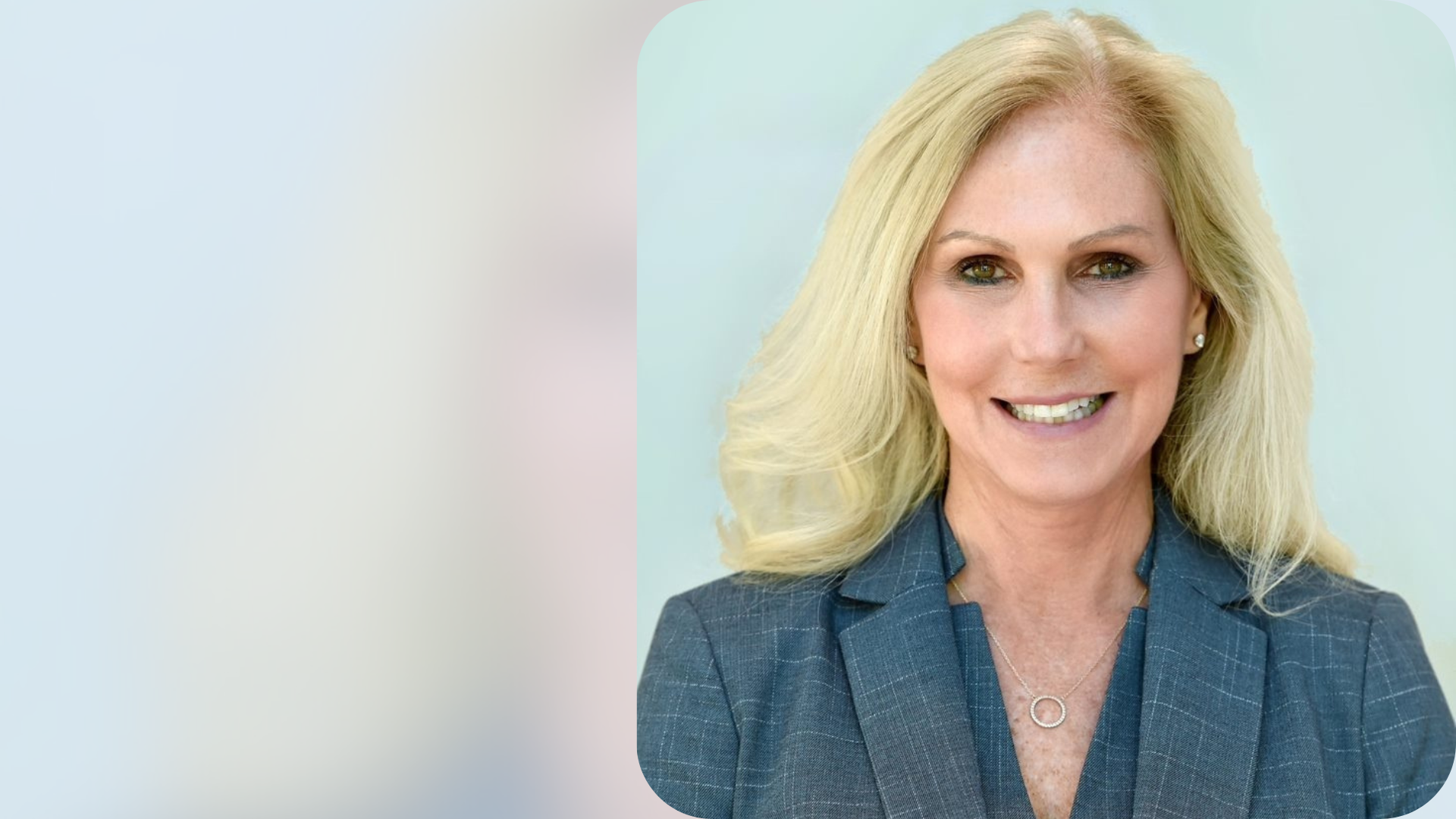
Welcome to Women Who Lead, a series highlighting inspiring women leaders in cardiology who are shaping the future of cardiovascular medicine. In this edition, we feature Dr. Malissa Wood, a distinguished cardiologist, physician executive, and champion for diversity and health equity. Through her clinical leadership, program-building, and advocacy, Malissa has advanced the care of women with cardiovascular disease while shaping more inclusive systems within medicine. From founding landmark women’s heart health and SCAD programs to leading at the highest levels of organized cardiology, her work continues to strengthen opportunities for women physicians and improve health outcomes for women worldwide.
As Chief Medical Officer of Women As One, Dr. Wood leads the organization’s medical and scientific activities, guiding clinical strategy, research, advocacy, and partnerships that advance equity for women in medicine.
What first drew you to cardiology, and what personal or professional experiences most shaped your leadership journey?
I was drawn to cardiology because it sits at the intersection of science, prevention, and human connection. Early in my training, I became aware of how differently cardiovascular disease presents in women—and how often those differences were overlooked. That realization shaped both my clinical focus and my leadership journey. Professionally, stepping into roles where I could build programs, mentor others, and address inequities—particularly in women’s heart health—made it clear to me that leadership is not about title, but about creating systems that serve people better.
Can you describe a defining moment when your leadership made a meaningful difference for a patient, colleague, or institution?
One defining moment was helping to establish a multidisciplinary women’s heart health program at Massachusetts General Hospital in Boston. Seeing improved outcomes for patients—and watching early-career clinicians grow into confident leaders within that program—reinforced the power of intentional leadership. It reminded me that when you invest in people and structure, the impact multiplies far beyond any one individual.
True progress comes when women’s leadership is normalized, not exceptionalized.
How has the landscape for women leaders in cardiology changed since you began your career, and what still needs to shift?
There is far greater visibility of women leaders today than when I began my career, and conversations around equity are more open and data-driven. That said, representation still drops off sharply at senior leadership levels, and women continue to shoulder disproportionate clinical, mentorship, and “invisible” work. What still needs to shift is not just access, but accountability—ensuring that leadership pathways are transparent, equitable, and sustainable.
What are the most persistent challenges facing women cardiologists in your country or region today?
Persistent challenges include pay inequity, lack of sponsorship, inflexible career structures, and the ongoing tension between professional advancement and personal responsibilities. Many women also face burnout from being asked to “do more” without the authority or resources to truly lead. Addressing these challenges requires structural—not just individual—solutions.
What leadership pathways are there for women cardiologists in your region, and where are opportunities still lacking?
Leadership pathways exist through academic promotion, professional societies, clinical program development, and industry or nonprofit partnerships. However, opportunities are still lacking in early sponsorship, formal leadership training, and access to high-visibility roles that lead to executive positions. Too often, women are prepared but not positioned.
Gender equity is not a women’s issue; it is a leadership and quality issue.
How is women’s leadership in healthcare viewed in your region, and what progress or resistance have you seen?
Women’s leadership is increasingly recognized as essential to high-quality, patient-centered care. We’ve seen progress in representation and advocacy, but resistance still shows up subtly—through unconscious bias, uneven expectations, and slower advancement. True progress comes when women’s leadership is normalized, not exceptionalized.
What role do institutions and male colleagues need to play to truly accelerate gender equity in cardiology?
Institutions must commit to equity as a core value, supported by data, resources, and measurable outcomes. Male colleagues play a critical role as sponsors—opening doors, amplifying voices, and challenging inequities when they see them. Gender equity is not a women’s issue; it is a leadership and quality issue.
In your view, what is the most urgent unmet need for women in cardiology today?
The most urgent unmet need is sustainable leadership infrastructure—clear pathways, protected time, and support systems that allow women to lead without burnout. Talent is not the limiting factor; opportunity and structure are.
What advice would you offer to early-career women cardiologists who want to lead, but may be unsure how to start?
Start by leading where you are. Seek mentors and sponsors, say yes to opportunities that align with your values, and don’t wait to feel “ready.” Leadership is a skill that develops through action. Most importantly, remember that your perspective matters—especially in shaping the future of cardiovascular care.
Women like Malissa J. Wood, MD exemplify the vital role of leadership in advancing gender equality in healthcare and improving outcomes for women with cardiovascular disease. Supporting women in cardiology is essential not only for fairness but for better science and patient care. The Women Who Lead series aims to uplift talented women in cardiology, raising their international profile and inspiring the next generation of women in cardiology. Join the Women As One community, The Pulse, today.
The Women Who Lead series

Women Who Lead: An Interview with Dr. Ana G. Múnera
Our CommunityMeet Dr. Ana G. Múnera as she advances women’s heart health and champions gender equity in cardiology in our Women Who Lead series.

Women Who Lead: An Interview with Dr. Cecilia Linde
Our CommunityWomen Who Lead features Dr. Cecilia Linde as she shares insights on leadership, heart failure research, and advancing gender equity in cardiology.

Women Who Lead: An Interview with Dr. Roxana Mehran
Our CommunityMeet Dr. Roxana Mehran, a renowned interventional cardiologist, clinical researcher, and advocate for gender equity in medicine in our series, Women Who Lead.