


OUR COMMUNITY
Women As One Award winner leads the charge in VESALIUS-CV results
Published Date – 22 January 2026
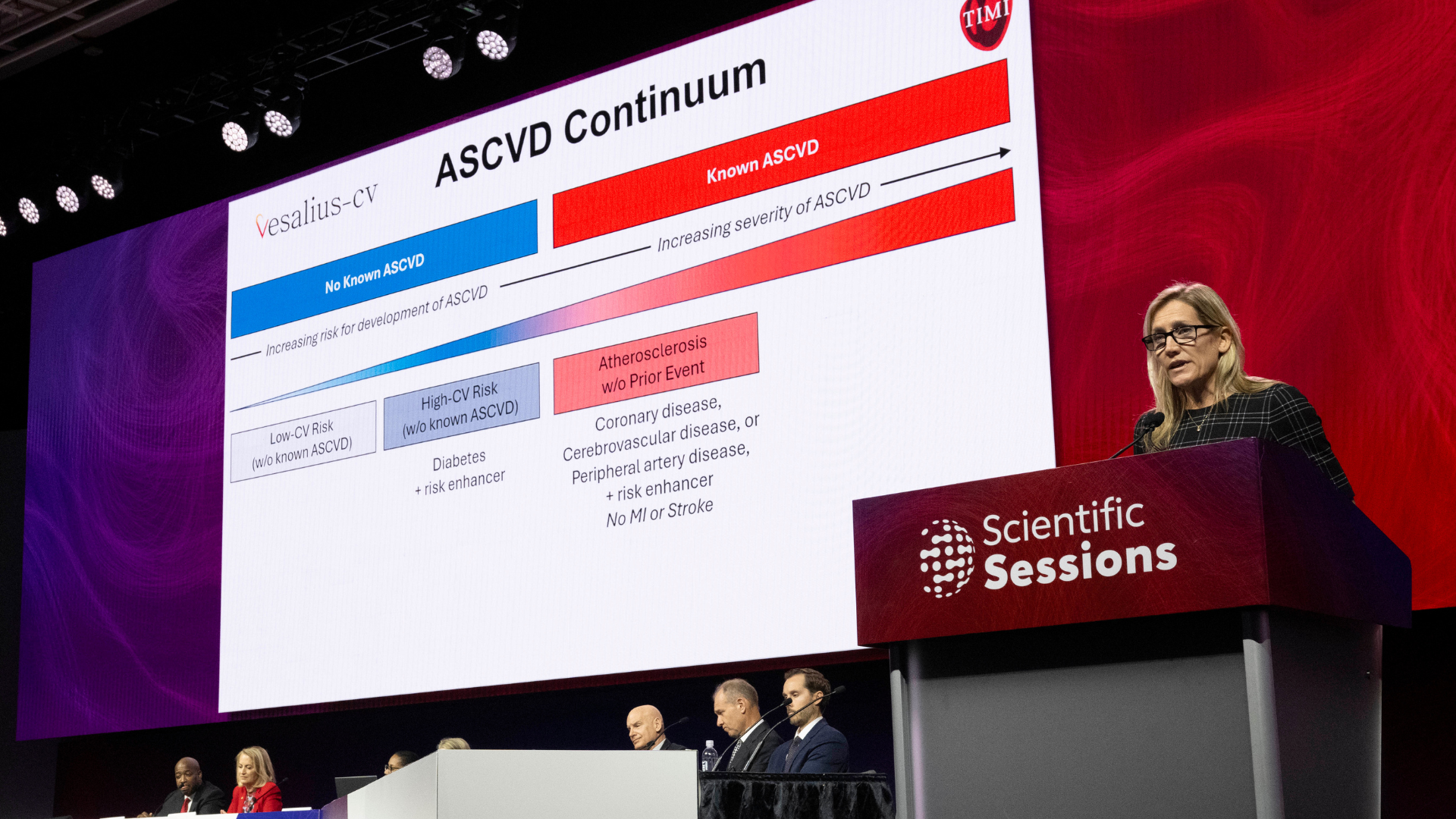
When the VESALIUS-CV trial was conceived in 2018, it began a multi-year effort to answer a critical question in preventive cardiology. Could evolocumab, marketed as Repatha, a human monoclonal antibody that inhibits PCSK9, reduce major cardiovascular events in patients at high risk but without a prior myocardial infarction or stroke? The scientific stakes were high. For one of its leaders, Dr. Erin Bohula, the journey was also deeply meaningful.
Dr. Bohula is a cardiologist at Brigham and Women’s Hospital in Boston and an Assistant Professor at Harvard Medical School. She joined the trial early in its development and ultimately became a co-principal investigator.
“I started as an investigator and moved up to become co-PI,” she shared in an exclusive Women As One interview at AHA 2025, shortly after presenting the trial’s findings during the Late-Breaking Science session. “It has been a journey of growth, and to now be part of something that will change practice is incredibly exciting.”
The science and the stage
VESALIUS-CV, supported by Amgen, is one of the largest primary-prevention studies of a PCSK9 inhibitor conducted to date. The trial enrolled patients with significant cardiovascular risk profiles, including extensive atherosclerotic burden or high-risk comorbidities, but no prior major atherosclerotic event. Its design sought to determine whether achieving very low LDL levels with evolocumab could meaningfully reduce cardiovascular outcomes long before the first heart attack or stroke occurs.
The trial results delivered an important message. Earlier and more intensive lipid lowering has the potential to shift the trajectory of disease, not only in those recovering from events but in those who have never had one.
Its scientific impact is matched by the significance of its leadership. Having a woman guiding a trial of this scale reinforces a growing truth within cardiovascular research. Women are not only participants in clinical studies. They are shaping the scientific agenda.
As Dr. Bohula described the experience of preparing for AHA 2025, her emotion was evident. “We are very happy that everyone’s effort has paid off to deliver a strong result. What is most rewarding is knowing this data will help patients.”
Why representation in leadership matters
The success of VESALIUS-CV contributes to a larger cultural and clinical reality. Leadership diversity strengthens clinical research.
“Historically, women have been underrepresented in both cardiology and clinical trials,” she noted. “I truly believe one way to change that is to ensure the leadership team reflects the populations we want to enroll.”
Diverse leadership improves trust, broadens recruitment, and ensures study findings are more generalizable. “When women see women leading trials, they are more likely to see themselves participating. Representation opens doors.”
Women As One gave me an award years ago, and with it came support to attend a major meeting. That one opportunity connected me with people in the field and gave me the chance to be seen and heard.
Dr. Erin Bohula
Mentorship as a catalyst
When asked what advice she would offer early-career women in cardiology, Dr. Bohula did not hesitate. Mentorship.
“That has really been the key for me. I have had mentors who appreciated my value and gave me platforms to grow. That is what made the difference.”
She emphasized the importance of both formal mentorship programs and informal supporters who advocate for women behind the scenes. “Find the people who believe in you. That is what gets you from the back of the room to the podium.”
The role of industry and advocacy
Organizations such as Women As One and intentional efforts from industry sponsors are helping shift the landscape for women in cardiovascular research.
“Women As One gave me an award years ago, and with it came support to attend a major meeting. That one opportunity connected me with people in the field and gave me the chance to be seen and heard.”
She added that industry sponsors have meaningful influence over who receives leadership opportunities. “Industry has a huge opportunity to be intentional about who they invite into leadership roles, who sits on advisory boards, and who they elevate. And I have seen that change happening.”
Why this work matters
VESALIUS-CV is a milestone in preventive cardiology. It demonstrates the long-term benefits of aggressive LDL lowering in high-risk individuals before events occur. It also underscores that who leads the science matters just as much as the data itself.
At Women As One, we remain committed to ensuring that more women across all stages of their careers have the mentorship, opportunities, and visibility they need to shape the future of cardiovascular research.
When women lead, the entire field moves forward.
Latest News
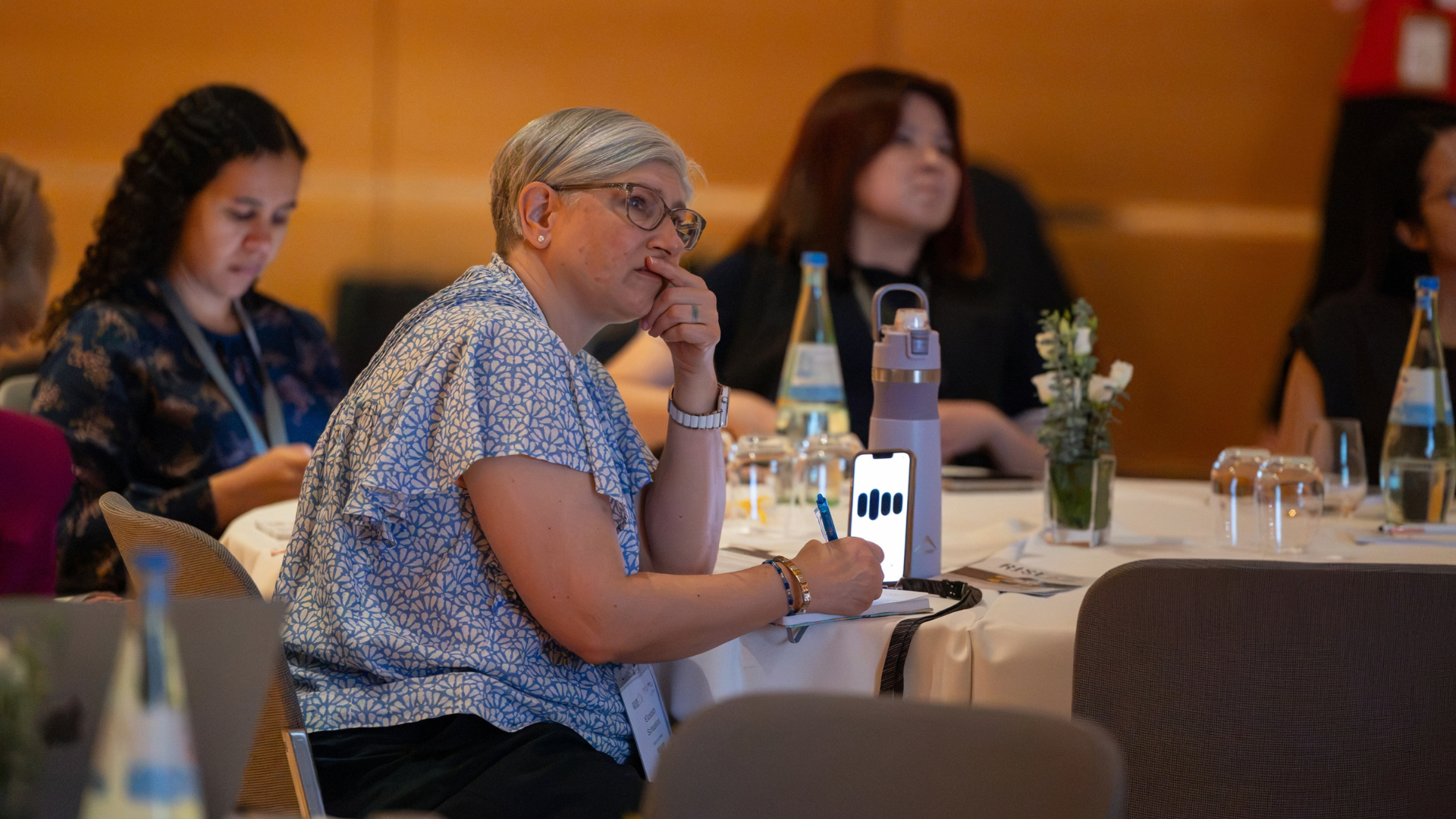
From guidelines to impact: making quality improvement a reality in cardiovascular care
RISEAt RISE @ ESC Congress 2026 encouraged us to assess and take action to ensure that all patients receive the best cardiovascular care.
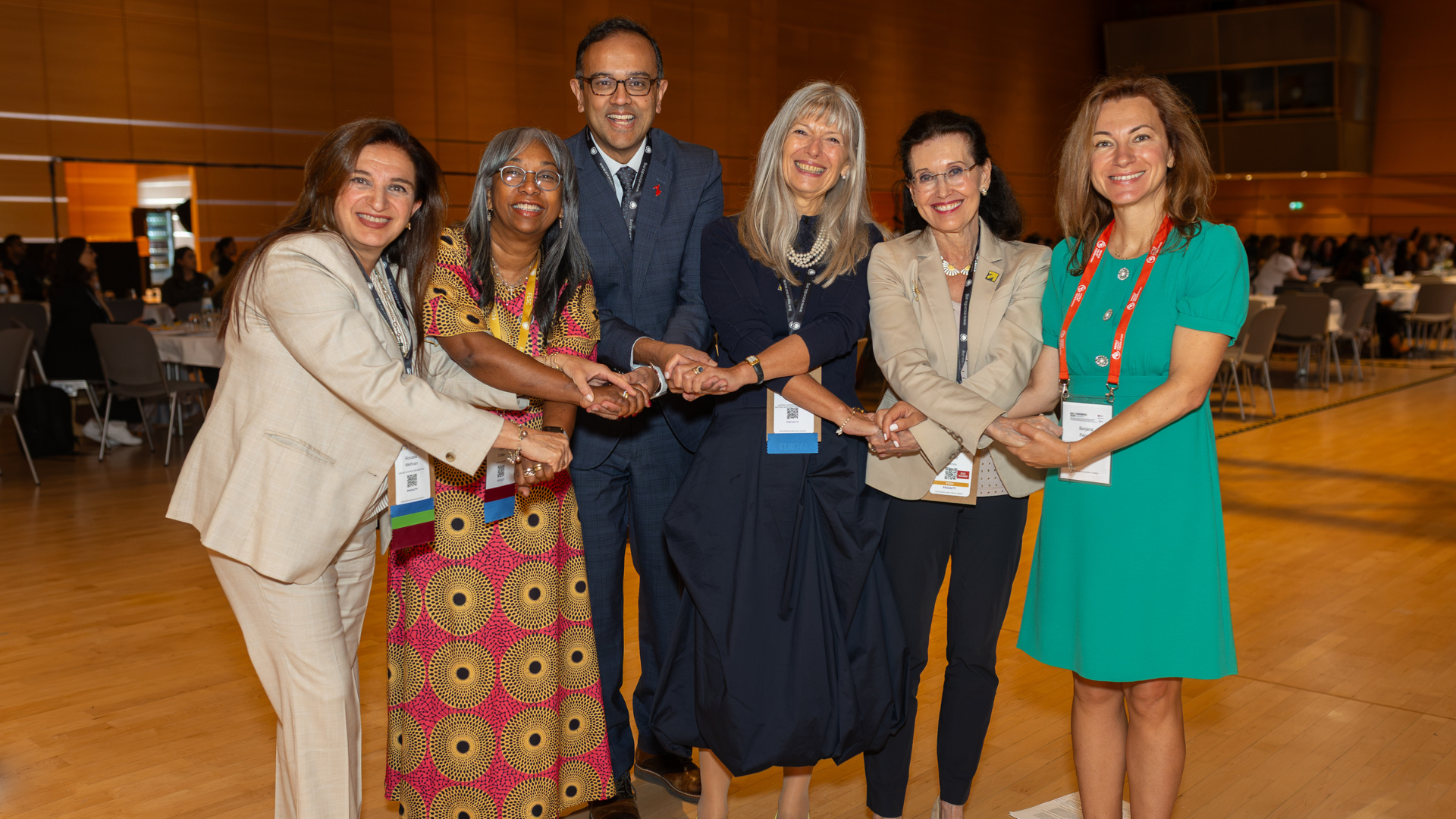
From conversation to action: international cardiovascular leaders call for collective change
News RISEAt RISE @ ESC Congress 2026, cardiovascular leaders discussed how collaboration, accountability & action are essential to make progress.

RISE @ ESC Congress 2026: Building a future where every woman in cardiology can lead
News RISERISE @ ESC Congress 2026 explored women leading in cardiology, career development, equity, mentorship & the future of cardiovascular care.